

The Basics
What an Accelerated Instrument Rating Is, in Plain English
An accelerated instrument rating is the same FAA instrument rating, earned on a tighter schedule. You add it to your private pilot certificate, you meet the same FAA requirements, and you fly to the same checkride standard. The difference is the shape of the plan: lessons sit close together, so you spend less time relearning last week's approaches.
The rating lets you fly in clouds and low visibility by reference to your instruments. Our Instrument Rating Accelerator covers holds, missed approaches, ILS, VOR and GPS approaches, partial panel, failures and weather scenarios on GNS 430/530 and GTN 650/750 avionics. Accelerated does not mean the whole rating takes a few days, because the FAA minimums are a floor and your instructor recommends you for the checkride when you fly to the instrument standard.
Go deeper
Pick the Chapter You Need Next
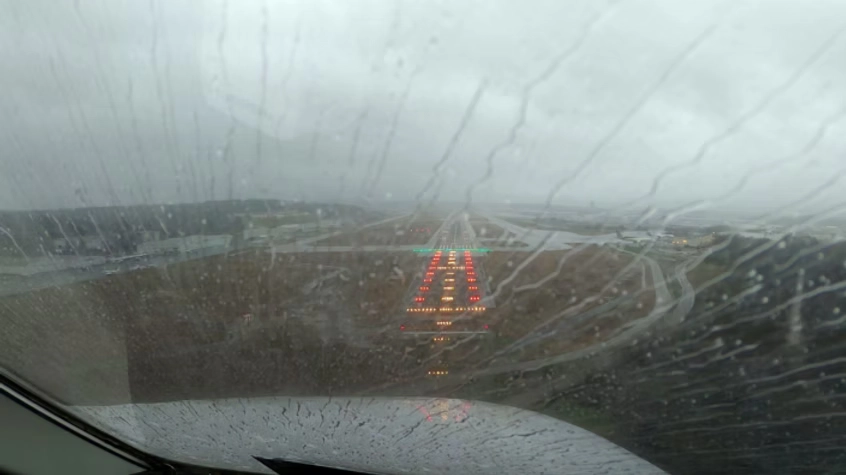
How Long Does an Accelerated Instrument Rating Take in 2026?
A sample plan from first lesson to checkride, with simulator hours inside it.

Accelerated IFR Training Requirements: 2026 Checklist
What you need in your logbook and your paperwork before you start.
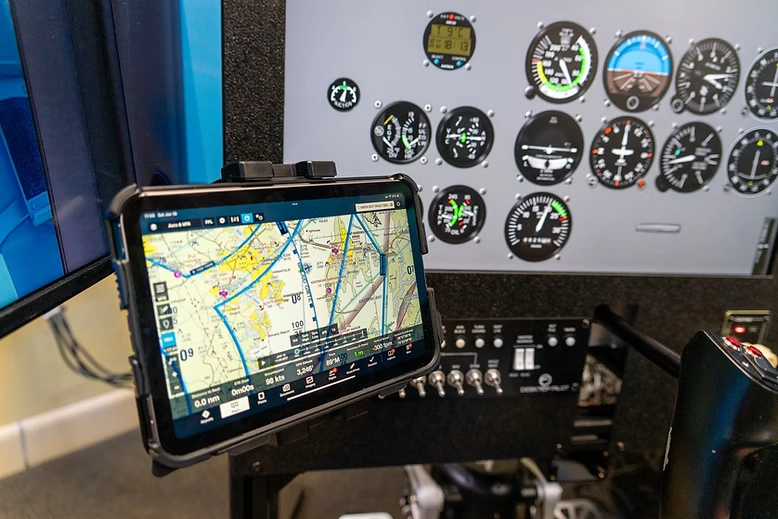
How Simulator Hours Cut Your Instrument Rating Cost in 2026
Where the money goes and which lines a simulator can lower.

Accelerated or Part-Time Instrument Training? Find Your Pace in 2026
Choose a pace that fits your calendar and the way you learn.
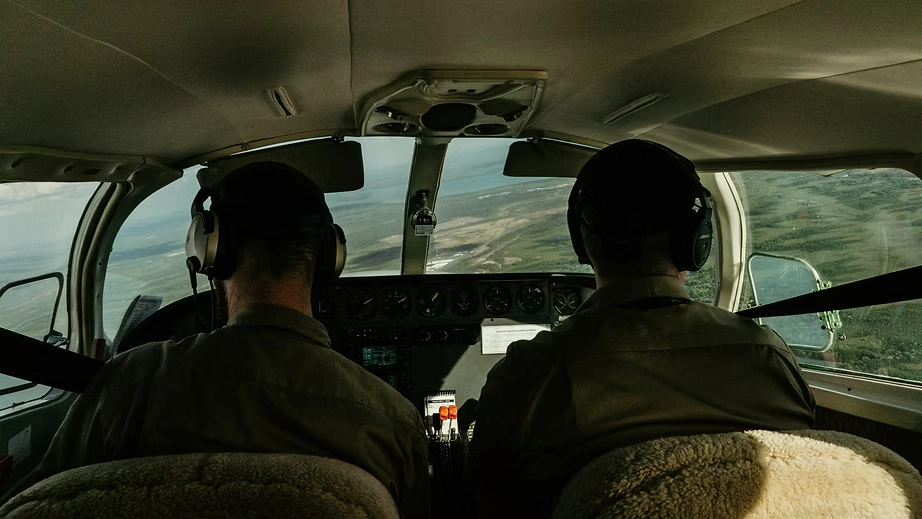
Accelerated vs. Traditional Instrument Rating Training in 2026
A side-by-side comparison of the two pathways.
How We Train Instrument Skills on the Ground
Our SG-2 simulators are FAA-approved AATDs. Your instructor can pause an approach, replay it, reset to the final approach fix and fly it again until it is calm. Sessions run in any weather, and the simulator is open early and late, every day of the year, so a foggy morning moves your lesson instead of cancelling it.
This keeps your airplane hours focused on what only the airplane can teach. Explore the Instrument Rating Accelerator, see the simulators, or read about our traveling-pilot block, which is built around 2 to 3 consecutive days of simulator training. Contact us and we will map the plan with you.
Why It Matters
Why Your Plan Decides Your Time and Your Budget
Instrument training goes wrong in predictable ways. With weekly lessons and long gaps, the first part of each lesson goes to review. Weather cancels airplane flights. Repeated hours show up on your bill, and a slipping schedule can push your checkride back.
Time Has a Hard Edge
You need 3 hours of instrument training in an airplane within the 2 calendar months before your practical test, so a plan that drifts can push you outside that window. The airplane items also depend on weather, aircraft and instructor availability, and examiner schedules, and DPE availability varies by location, examiner and demand. A tight plan books the examiner early and keeps the airplane flights close together.
Where Your Bill Comes From
Your budget works the same way. Your bill is built from airplane rental, instructor time, simulator or training-device fees, ground study, the FAA knowledge test fee, the examiner fee, your medical and supplies. Simulator hours cost less per hour than airplane hours, so every hour that moves from the airplane to an approved device changes your bill by the gap between the two prices. Savings depend on the rates and on how many hours move, so ask for an estimate that separates each line.
Your Budget
Build the Plan Around Your Numbers
Bring your budget or financing plan to your first conversation and we will build the plan around it.


Step by Step
Your Accelerated Instrument Rating Roadmap
Step 1: Confirm you are ready to start
You need a private pilot certificate, 50 hours of cross-country time as pilot in command with at least 10 in an airplane, and the ability to read, speak, write and understand English. Confirm your medical is current before the airplane phase and the checkride. Our requirements checklist walks through each item.
Step 2: Learn how the hours add up
The FAA requires 40 hours of actual or simulated instrument time, including 15 hours with an authorized instructor, plus one IFR cross-country flight of at least 250 nautical miles in an airplane. The FAA caps device credit at 10 hours in a basic device and 20 hours in an advanced device, and some instrument time always happens in an airplane. See the cost breakdown for the budget side.
Step 3: Choose your pace
Some pilots block several days in a row, and others fly on a part-time schedule. A consecutive-day block keeps the approaches fresh, while a part-time pace spreads out your spending and your study. Read how to find your pace and the side-by-side comparison, then contact us and we will map the plan around your calendar.
Step 4: Pass the knowledge test and work the plan
Complete ground training or home study, get your instructor endorsement, and pass the FAA knowledge test. The result stays valid for 24 calendar months before the practical test, so you can take it early and spend your simulator days flying. Use the sample timeline to see how the pieces fit.

Map Your Accelerated Instrument Plan for 2026
Bring your logbook, your calendar and your budget, and we will lay out a plan built around your schedule and your starting point. Contact us and we will map the plan with you.
Frequently Asked Questions
Everything you need to know about Accelerated Instrument Rating: The Complete 2026 Guide.
Still have questions?
Get in touch with our team at Tipton Airport to discuss simulator training, scheduling, or custom packages.