
Accelerated or Part-Time Instrument Training? Find Your Pace in 2026

Published by:
Todd O.
Published on:
Read time:
8 min read
Two private pilots want the same thing: an instrument rating so they can fly into clouds with a clear head. One has a two-week window open in November. The other has Saturday mornings and the occasional free evening. Both could earn the rating, and the right pace looks different for each of them.
If you are weighing instrument rating accelerated training against a part-time schedule, this guide is built to help you choose. At Solid Ground Aviation, we think pace is a fit question. Your calendar, your learning style and your life outside the cockpit decide which one works. We cover the timeline and the requirements in their own posts, linked below.
Start with your calendar, not your impatience
Before anything else, write down the days you can really train over the next three months. Be honest about work travel, family events, holidays and the weeks when you will be too tired to learn.
Then look for the pattern that matches your life:
- A block of days. You can clear four or five days in a row, or travel in for a few days at a time. An accelerated pace is built for this.
- Weekly slots. You have one or two reliable sessions a week. A part-time pace works with that rhythm.
- A mix. You have a stretch of free days now and a busy season later. You may want a plan that front-loads some work and spreads the rest.
Our traveling pilot program is built around 2 to 3 consecutive days of simulator training for pilots who fly in, and our Instrument Rating Accelerator shapes the instrument content around that kind of block. If your calendar looks more like the second or third pattern, tell us. We would rather fit the plan to your schedule than ask your schedule to fit the plan.
How you learn decides how much gap you can afford
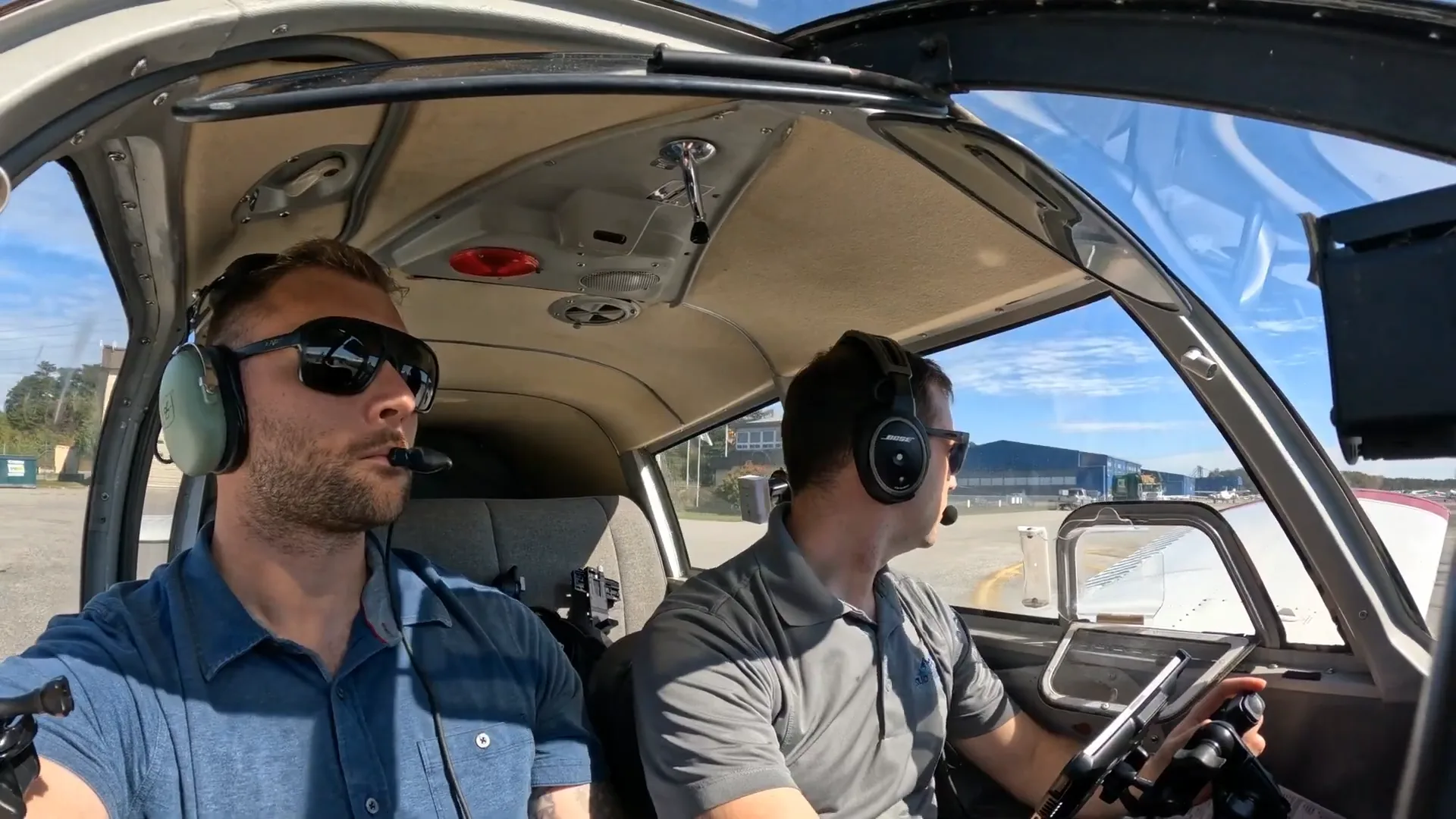
Instrument flying is a skill built from small procedures: a holding pattern entry, an approach briefing, a missed approach call-out, a scan that runs on its own. These fade when you stop using them. Some pilots lose a procedure in a week. Others carry it for a month. You probably already know which kind you are.
To find out, think back to a skill you picked up in short, spread-out sessions, like a language, an instrument or a sport.
- If the first ten minutes of every session went to remembering the last one, you likely benefit from tight spacing. Consecutive days keep the material in your hands.
- If you needed time between sessions to let the ideas settle, a part-time rhythm gives you room to digest an approach plate before you fly it again.
- If you learn best by doing the same thing many times in a row, the simulator gives you that. Your instructor pauses a scenario, replays the approach, and resets you to the final approach fix, so a foggy approach gets repeated until it is calm.
The style that matches yours keeps you moving. Our post on what it means to fly in the soup shows what the work looks like once you reach the clouds.
Be honest about your energy, work and family
Instrument training asks for focus. You are flying by reference to gauges, managing radios and thinking a few steps ahead, and that wears you out faster than most beginners expect. A pace that sounds efficient on paper can turn into a grind after a long workday.
An accelerated block asks you to hand over a few days of your life, and some of your attention may stay on your inbox. If your job allows a real break, the immersion works in your favor. If it does not, a part-time pace lets you keep your commitments while you build skill at a rate you can sustain.
Part-time asks for a different kind of discipline. Consistency matters more than speed, because a missed week can quietly turn into a missed month. If your life tends to swallow spare evenings, protect your training slots the way you would protect a recurring meeting.
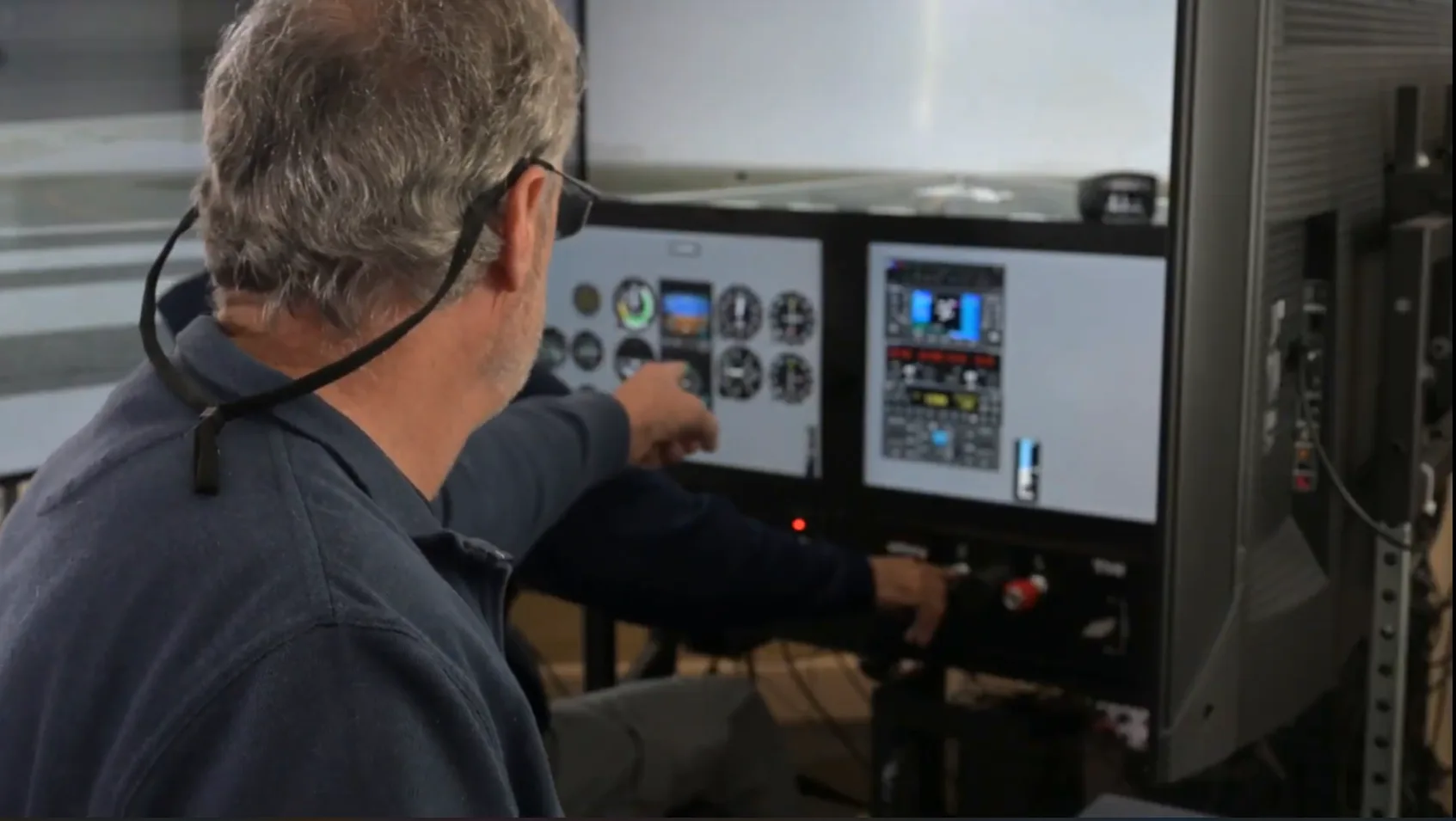
Our simulators are open early and late, every day of the year, which gives you room to place sessions around your job. For more on how our simulator system works, see our post on the SG-2 simulator system.
Match your situation to a pace
Use this table as a starting point for a conversation.
| Your situation | A pace that often fits | What we help you set up first |
|---|---|---|
| You can clear several days in a row, or you travel in | Accelerated block | The consecutive days you can protect, in our Accelerated Training for Traveling Pilots program |
| You have steady weekly slots and a busy job | Part-time rhythm | A recurring schedule and a plan for ground study between sessions |
| You learn by repetition and dislike long gaps | Accelerated block | A simulator-heavy start on our Instrument Rating Accelerator |
| You need time to absorb new material | Part-time rhythm | Room between sessions to review each approach before the next lesson |
| Your calendar is open now and crowded later | A mix | A plan that front-loads the work you can do now |
If you land between two rows, the plan can bend toward the pace that fits your season of life, and we can adjust it as that season changes.
What stays the same at either pace
No pace changes the rules. An instrument rating is added to your private pilot certificate, and 14 CFR 61.65 sets the floor. You need 50 hours of cross-country time as pilot in command, 10 of them in an airplane, and 40 hours of actual or simulated instrument time, 15 of them with an authorized instructor. You also need to pass the FAA knowledge test and the practical test, called the checkride.
Two details touch your pace more than the rest. You need 3 hours of instrument training in an airplane within the 2 calendar months before your checkride, and one IFR flight of at least 250 nautical miles with approaches at each airport. A long gap in a part-time plan can push earlier airplane training outside that window, so count backward from your target date when you set your schedule. Our requirements checklist walks through what to have in hand before you start.
The FAA minimums are a floor. Your readiness sets the finish line, and your instructor recommends you for the checkride when you meet the standard. No pace skips that standard.
For how the pieces line up on a calendar, read our guide to how long an accelerated instrument rating takes.
Where the simulator helps whichever pace you pick
Simulator time can count toward your instrument time, up to a limit that depends on the device and its FAA approval, and our SG-2 simulators are FAA-approved Advanced Aviation Training Devices (AATDs). You can see them on our simulators page.
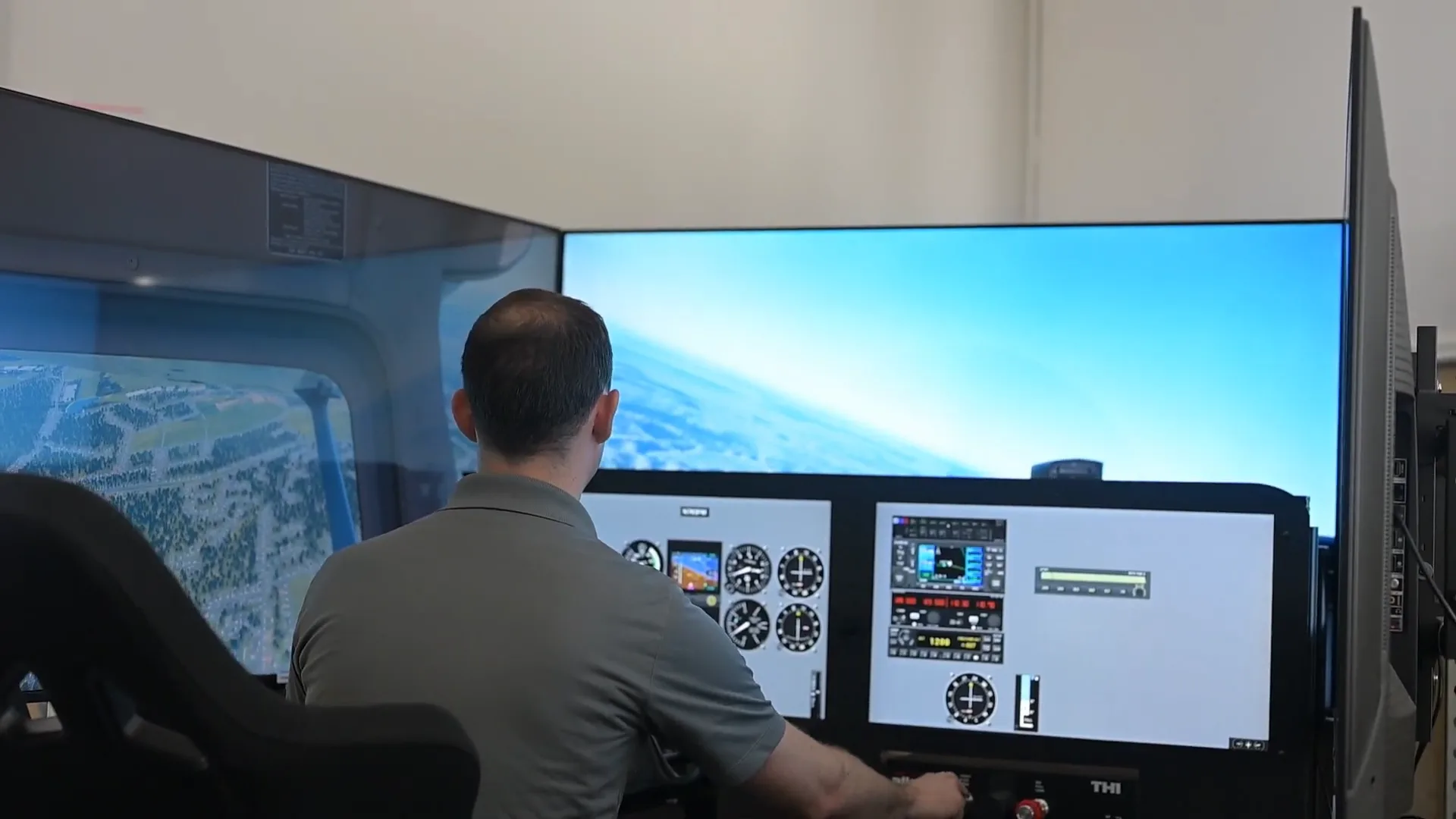
For an accelerated pilot, the simulator is where a block of days becomes productive. Holds, missed approaches, partial panel, system failures and ILS, VOR and GPS approaches get a first pass on the ground, on the same GNS 430/530 and GTN 650/750 avionics family you will meet in the cockpit.
For a part-time pilot, the simulator protects your momentum. Weather stops airplanes, not simulators, so a rainy Saturday does not cost you a lesson. Our Instrument Currency sessions are also there later, if you want to keep your approaches and holds sharp after you earn the rating.
Five questions to settle before you choose
Answer these on paper. Your answers usually point to a pace within a few minutes.
- How many days can I protect in a row? Four or five suggests an accelerated block. One or two a week suggests a part-time rhythm.
- How quickly do I forget a procedure? Fast forgetting favors tight spacing. A slow burn favors a gentler rhythm.
- What does a hard workday do to my learning? If you cannot study after work, an immersive block that clears your calendar may fit better.
- When is my busy season? Plan around it so a surprise at work does not break the 2-month window before your checkride.
- What does my budget or financing plan allow? Bring that plan to your first conversation with us so the schedule and the budget fit each other.
If you cannot answer one of these yet, that is fine. Take it to our team and we will work through it with you, starting with our flight training page.
Accelerated vs. part-time instrument training FAQ
Is an accelerated instrument rating harder than a part-time one?
No. Both paces meet the same FAA requirements and the same checkride standard. The difference is how your training is spread across the calendar. An accelerated block asks for more of your attention in a short window, and a part-time plan asks for steady discipline over a longer one.
Can I finish an instrument rating in a few days?
No. The rating requires airplane instrument training, a 250 nautical mile IFR flight and a checkride. Our traveling pilot block covers the simulator training in 2 to 3 consecutive days, and the airplane phase and checkride come after it.
Can I start part-time and switch to an accelerated block later?
Your plan can change as your calendar does. Tell us what your schedule looks like now and what you expect in a few months, and we will help you decide where a block of days would fit.
Does a part-time pace risk losing my airplane training window?
It can if the gaps get long. Your 3 hours of airplane instrument training must fall within the 2 calendar months before the checkride, so plan your last airplane lessons close to your test date.
What should I have ready before I choose a pace?
A private pilot certificate, your logbook with cross-country totals, a rough list of the days you can train, and your budget or financing plan. Our requirements checklist covers the rest.
Ready to map a pace around your calendar?
Tell us your free days, how you like to learn and when your busy season starts. We will build a plan with you that fits your calendar, shows where the simulator sessions go and where the airplane flights fall, and leaves room for your budget or financing plan. Contact us to map your instrument rating pace.