
How Much Do Flying Lessons Cost in the Washington D.C. Area? (2026 Budget Guide)

Published by:
Todd O.
Published on:
Read time:
8 min read
When you look up from the National Mall or the Beltway and watch an airplane climb out into the afternoon sky, you naturally ask yourself how much flying lessons in D.C. actually cost. Learning to fly around Washington D.C. is an incredible pursuit, but entering flight training without a realistic financial roadmap is the quickest way to run out of money before your practical checkride.
In 2026, earning a Private Pilot Certificate through flying lessons in DC and the surrounding metropolitan region typically costs between $14,000 and $21,000. That total range often catches prospective pilots off guard because generic national articles frequently quote lower numbers based on the statutory FAA minimum of 40 flight hours. In the congested, highly regulated airspace of the Mid-Atlantic, real-world students take between 60 and 75 flight hours to build genuine command confidence.
At Solid Ground Aviation, our flight educators work with student pilots from Capitol Hill, Bethesda, Silver Spring, and Annapolis. When you break down each financial line item before your first flight lesson, you can protect your budget and complete your certificate without unexpected financial friction.
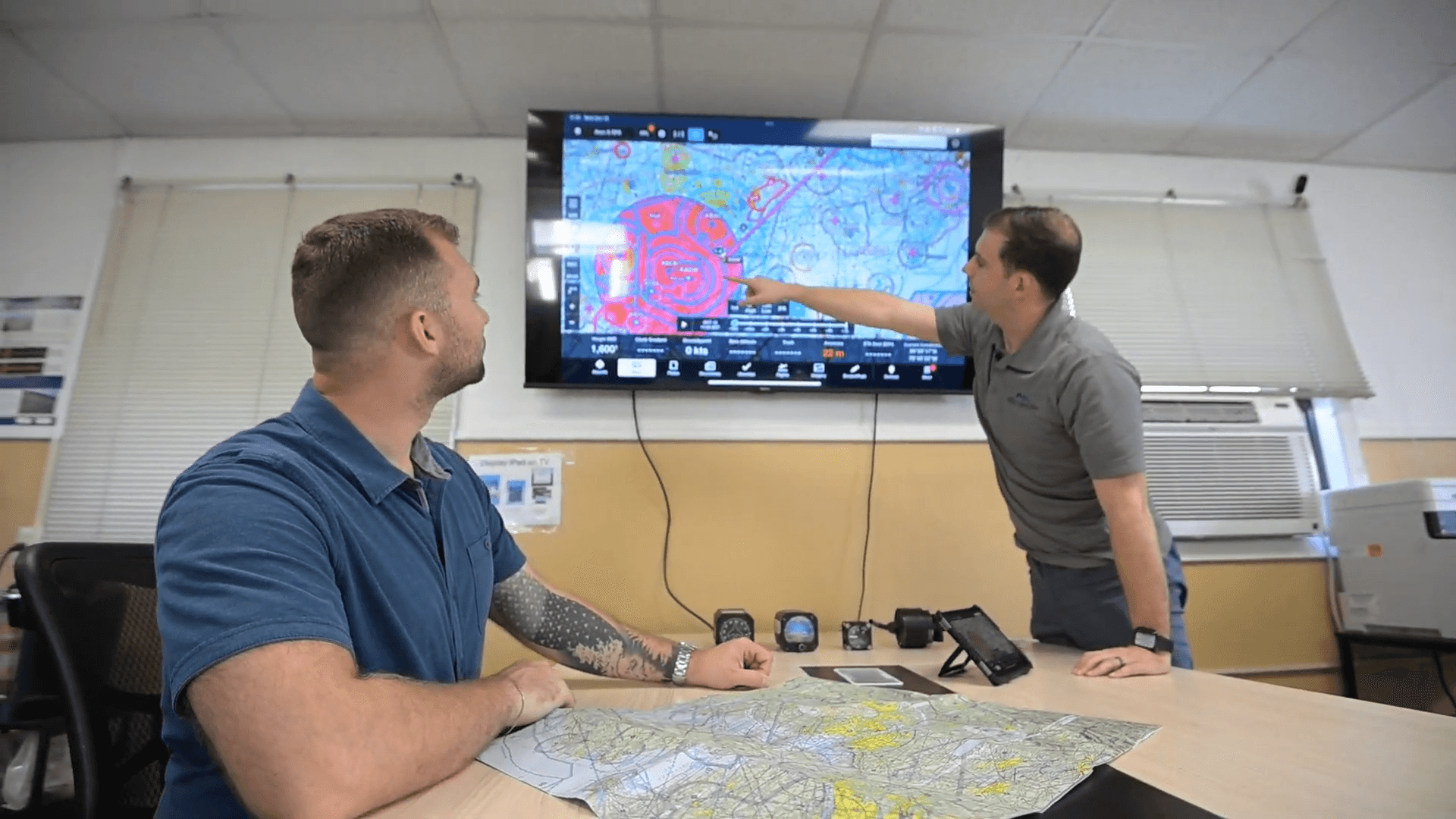
Breaking Down the Line Items in Your Flight Training Budget
To build a realistic aviation budget, you must examine how flight schools calculate aircraft rental, flight instruction, and regulatory testing fees:
1. Aircraft Wet Rental Rates ($190 to $260 per hour)
In flight training terminology, a wet rental rate means aviation fuel is included in your hourly airplane cost. Around D.C. perimeter airfields like Leesburg, Manassas, Gaithersburg, and Frederick, standard four-seat training aircraft rent between $190 and $260 per hour. If you choose an aircraft with modern glass cockpit avionics like Garmin G1000 screens, your hourly rate will consistently sit near the upper boundary of that range.
2. Certified Flight Instructor Rates ($65 to $95 per hour)
Professional flight instructors in northern Virginia and Maryland bill between $65 and $95 per hour for dual instruction on the ground and in the air. Keep in mind that thorough pre-flight risk assessments and post-flight debriefings add roughly 45 to 60 minutes of ground instruction to every flight lesson.
3. Equipment, Medical, and Testing Fees ($1,800 to $2,500)
Every student pilot must also budget for essential gear and mandatory federal examination fees:
- FAA Medical Certification: $150 to $250
- Aviation Headset with Active Noise Reduction: $350 to $1,200
- Electronic Flight Bag and ForeFlight Subscription: $350 to $700
- FAA Written Knowledge Test: $175
- Designated Pilot Examiner Practical Test Fee: $800 to $1,200
The Hidden Drain of Metropolitan Airspace Delays
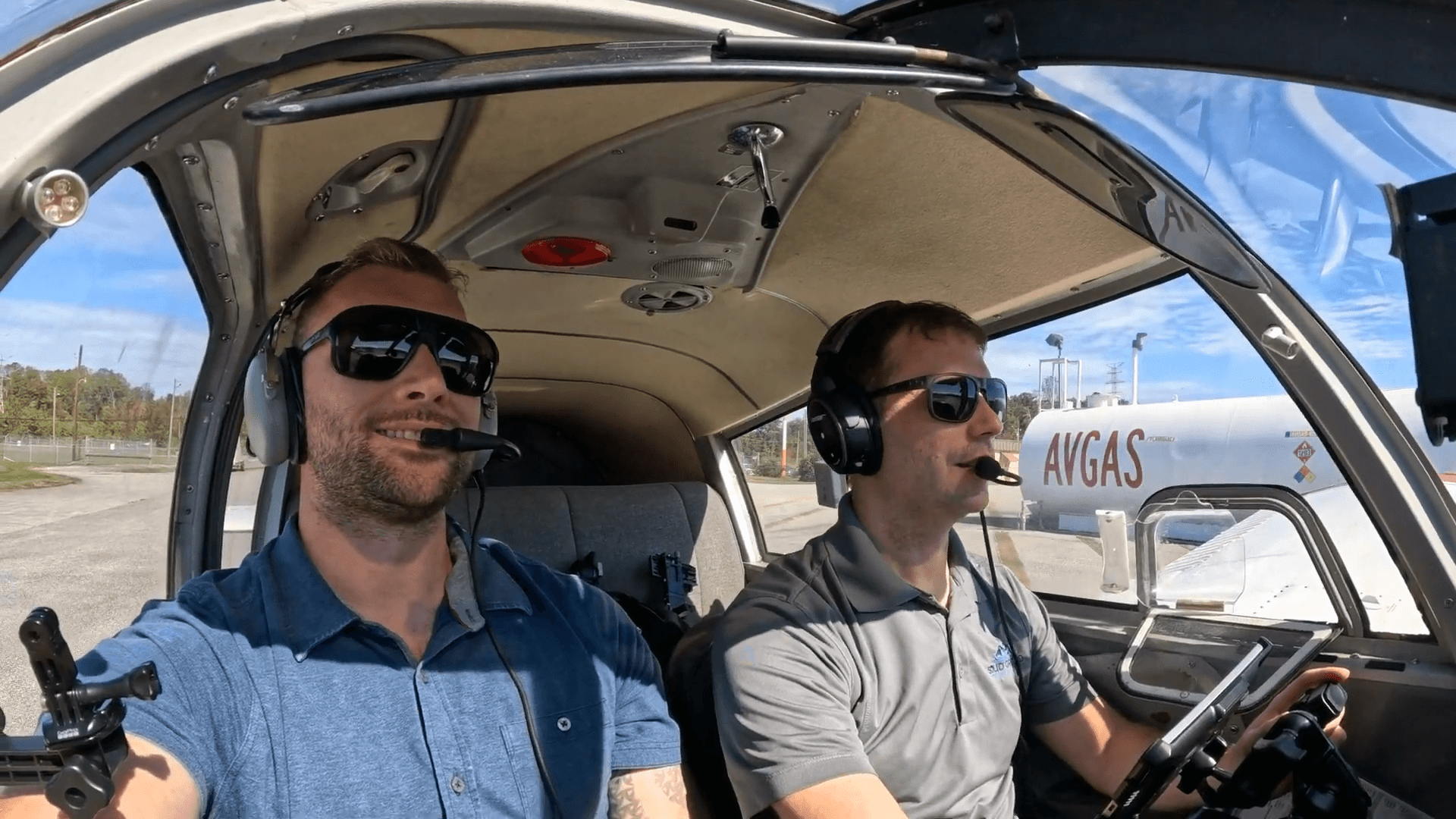
One factor unique to the D.C. region is that airspace complexity directly inflates your flight training bill. Training aircraft at congested regional towered airports frequently sit on hot taxiways burning avgas while awaiting instrument releases or sequencing behind commercial corporate traffic.
When your rental aircraft costs $240 per hour and your instructor bills $75 per hour, every minute spent holding short of an active runway costs more than $5.00 out of your pocket. If you burn 20 minutes of every training slot just taxiing and holding, you can lose thousands of dollars over your syllabus without practicing a single maneuver.
The Simulator Advantage: How Ground Training Cuts Your Total Bill
Smart aviators throughout the DMV avoid this financial waste by adopting a simulator-first training model.
Under Title 14 CFR 61.109(k), the FAA permits student pilots to officially log up to 2.5 hours in an FAA-approved Aviation Training Device toward private pilot requirements. However, the true financial leverage of simulator training reaches far beyond that initial regulatory credit:
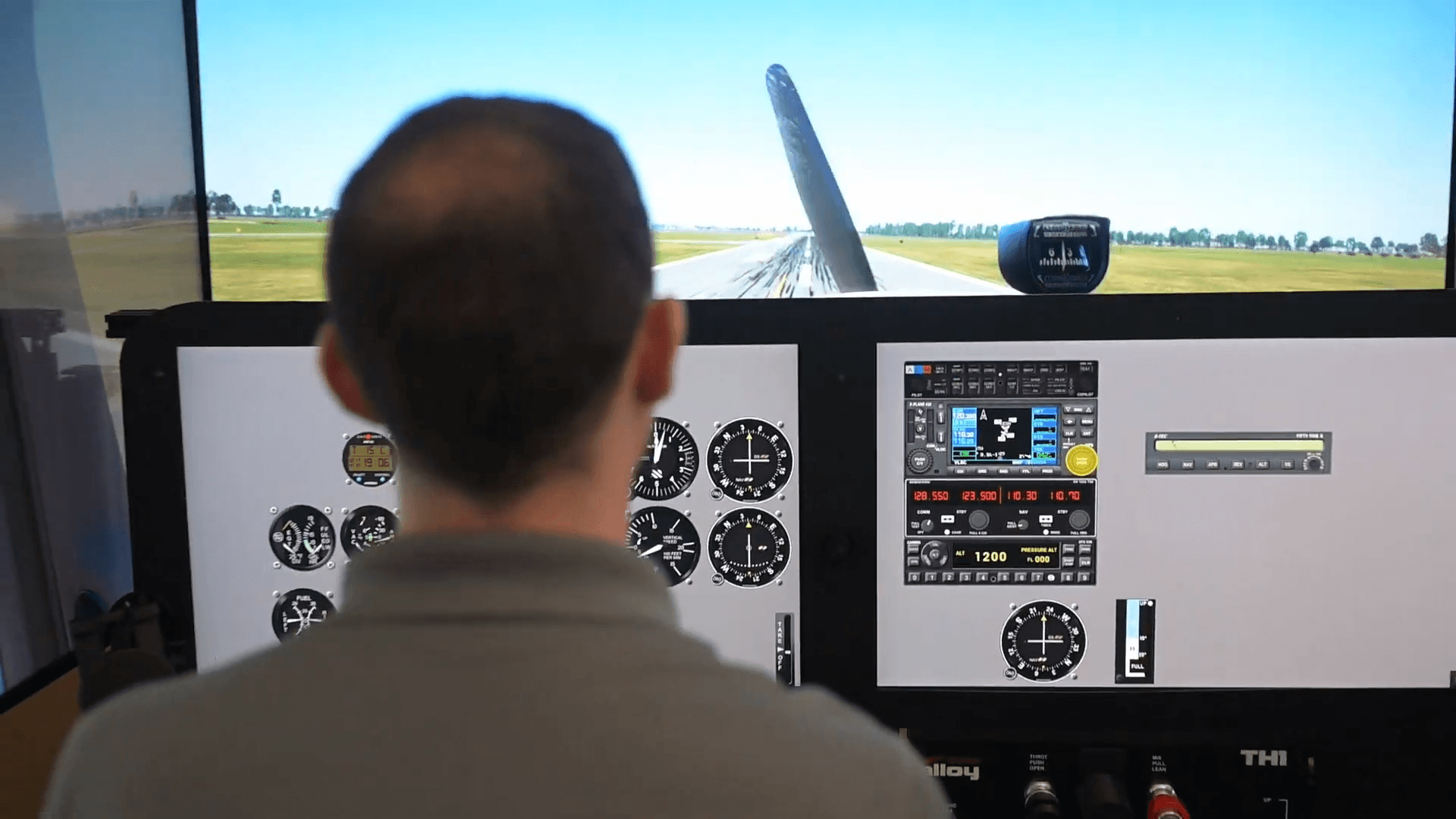
- Instant Maneuver Repetition: In our FAA-approved SG-2 simulator, you can practice steep turns, stall recoveries, and traffic pattern entries ten times in ten minutes without flying long transit legs to an open practice area.
- Cognitive Pause and Debriefing: When you make a minor navigation error in an airplane, the aircraft keeps moving at 110 knots while you struggle to fix it. In our simulator, we pause the flight deck scenario instantly, analyze your instrument scan, discuss the correction, and resume without financial stress.
- Substantially Lower Operating Costs: While dual aircraft instruction averages $275 to $335 per hour locally, dual simulator sessions with our senior airline and military flight instructors run just $125 per hour ($55 to $65 per hour for the simulator plus $60 per hour for instruction).
By mastering emergency flows, radio communications, and cross-country navigational planning in our Private Pilot Accelerator before logging expensive aircraft time, you arrive at the airport with polished muscle memory. You can review our simulator vs. airplane training cost comparison to see how these savings accumulate across your entire training journey.
Why Training at Tipton Airport (KFME) Protects Your Budget
Commute friction is another hidden budget killer. When driving to an airport takes two hours through heavy Beltway congestion, students frequently cancel lessons, experience training interruptions, and spend expensive flight hours re-learning forgotten skills.
Solid Ground Aviation is located at Tipton Airport (KFME) in Fort Meade, Maryland. For aviators living in Washington D.C., Capitol Hill, or northern Maryland, Tipton sits directly off the Baltimore-Washington Parkway (I-295), approximately 35 minutes north of the city. Because KFME sits comfortably outside the ultra-restricted D.C. Flight Restricted Zone (FRZ), you avoid TSA security PIN delays while gaining immediate access to the runway.
Check out our dedicated pilot training program near Washington D.C. to learn more about how our airport location accelerates your progress.
Plan Your Training with Confidence
If you are ready to earn your wings without draining your bank account, focus on consistent weekly scheduling and early procedural mastery. Scheduling two to three focused sessions each week prevents skill atrophy and keeps your total hours closer to the lower end of the regional average.
Our flight instructors at Solid Ground Aviation are here to help you structure a clear, cost-effective training plan from your very first session. Contact our flight training team today to tour our Fort Meade facility, experience our FAA-approved SG-2 flight simulator, and take the first step toward your pilot certificate.